

9 Signs Your Swimming Pool Desperately Needs Cleaning
Daksh Ramrakhyani • March 9, 2026

A clean pool is not just about looks. It keeps swimmers safe and protects pumps, filters, and heaters. When water turns dirty, germs grow, metal parts stain, and bills go up. Start with four basics: skim daily, brush often, test water, and run the pump long enough to move all the water. Most backyard pools need one full turnover every 6–8 hours in warm months. Keep pH 7.2–7.8, free chlorine 1–3 ppm, and total alkalinity 80–120 ppm. If these drift, small issues grow fast. Below are nine clear signs your pool needs cleaning now. If you see even a few at once, act soon. Simple weekly habits prevent bigger fixes and keep every swim safe and clear.

Cloudy Water That Hides The Pool Floor


Cloudy water means the pool holds tiny particles that the filter is not catching. These can be dust, pollen, dead algae, sunscreen, or even soap film from swimwear. When light cannot pass through, you lose the sparkle and, more importantly, you cannot see the bottom. That is a safety risk.


What to do first:

  • Brush the walls and floor to lift fine debris.
  • Run the pump 8–12 hours to help the filter trap it.
  • Clean the filter: backwash sand or DE; rinse a cartridge.


If it stays hazy, test the water. Low chlorine or high pH lets particles hang around. A clarifier can clump fine bits so the filter can grab them. Use it as a helper, not a main fix. Check return jets, too. Aim one slightly down and sideways to push debris toward the drain.

Sharp Chlorine Odor Near The Waterline


A strong “pool smell” does not mean the water is clean. It usually means chloramines are present. Chloramines form when chlorine mixes with sweat, oils, or urine. They cause red eyes and a stuffy nose.


Steps that work:

  • Test free chlorine (target 1–3 ppm) and combined chlorine.
  • If combined chlorine is ≥0.2 ppm, “shock” the pool per label.
  • Keep pH 7.2–7.8 so sanitizer works well.


During a shock, run the pump and keep the cover off so gases can escape. Ask swimmers to rinse before getting in, and keep lotions light. Less gunk in the water means fewer chloramines next time. If odor comes back often, review pump run time and filter care; weak circulation lets waste build up

Slippery Steps, Walls, Or Floor Feel Underfoot


A slick feel means early algae or biofilm. It loves warm, still water and low sanitizer. It often starts in corners, steps, and behind ladders, where the flow is weak.


Make a simple plan:

  • Brush all surfaces with a nylon brush (wire only on plaster).
  • Aim to return jets to improve circular movement.
  • Keep free chlorine 1–3 ppm and brush again the next day.


Do not forget hidden spots: skimmer throat, light niches, under rails, and the waterline tile. If slime returns fast, raise chlorine for a day and keep brushing. For vinyl liners, stay gentle; no wire brushes. Good flow and steady chlorine stop slick film from turning into heavy algae that stains and clogs filters.

Green, Yellow, Or Black Algae Keeps Returning


Color tells you a lot:

  • Green algae: common, floats or coats walls. Brush and raise chlorine.
  • Yellow (mustard) algae: clings to shady walls and sticks to gear. Disinfect nets, toys, and swimsuits.
  • Black algae: dark dots on plaster with roots. Needs hard, repeated brushing and steady sanitizer.


Tips to win:

  • Brush daily during treatment so chlorine reaches the base layer.
  • Run the pump non-stop while shocking per product directions.
  • Clean the baskets and check the impeller so the flow stays strong.


If algae returns after rain or parties, test and adjust right away. Keep cyanuric acid (stabilizer) near 30–50 ppm outdoors. Too little and the sun burns off chlorine; too much and chlorine works slowly.

Pump Runs Long, But Water Stays Dirty


A long pump cycle with poor results points to weak flow. The cause is often simple.


Check these in order:

  • Empty the skimmer and pump baskets. Packed debris chokes the flow.
  • Look for air bubbles at the returns. Re-seat and lube the pump lid O-ring.
  • Peek at the impeller. Hair or leaves wrapped around it cut the power.


If parts are clear, look at the runtime. Aim for a full turnover daily, often about 8 hours in summer. Many owners split time: morning and late afternoon. That helps during heavy use and heat. Also, confirm your filter setting is correct. A valve in the wrong spot can send water past the filter and back into the pool.

Filter Pressure Gauge Jumps Above Normal Range


Your pressure gauge is a simple health meter. After a thorough clean, note the baseline PSI. When pressure rises 8–10 PSI above that mark, the filter needs service.


Service basics:

  • Sand: backwash until the sight glass runs clear, then “rinse,” then “filter.”
  • DE: backwash and recharge with the right amount of DE.
  • Cartridge: hose from the inside out; deep clean if oils build up.


If pressure stays high right after cleaning, check for a closed valve, a return line blockage, or a faulty gauge. Replace a stuck gauge; it costs little and protects clarity. Remember: high pressure means low flow. Low flow means poor cleaning and a higher risk.

Red Eyes, Dry Skin, Or Coughing After Swims


Irritation is not always “too much chlorine.” Most times, pH is off or active chlorine is low.


Comfort targets to hit:

  • pH 7.2–7.8 (eyes feel best near 7.4–7.6).
  • Free chlorine 1–3 ppm.
  • Stabilizer (CYA) 30–50 ppm outdoors.


When pH is high, chlorine gets weak. When pH is low, water turns harsh. Adjust pH first in small doses, run the pump 30–60 minutes, then retest. Keep showers short before swimming to remove sweat and lotions. That small step lowers the load on chlorine and reduces smell and sting. Good brushing and skimming also help because clean walls mean fewer places for germs to grow.

Debris Returns Right After You Vacuum Again


If leaves and grit reappear soon after vacuuming, the pool likely needs a deeper clean and better flow.


Do this step by step:

  • Skim the surface first. Then brush walls, steps, and corners.
  • Vacuum slowly so you do not kick up clouds.
  • For heavy floor dirt, use “vacuum to waste” on sand or DE systems.


Vacuum-to-waste sends dirty water out of the pool, not into the filter. You will lose water, so top up and test the chemistry after. Keep the skimmer weir moving freely; it should swing and pull surface junk into the basket. Robotic cleaners help, but they miss edges. Manual brushing still matters. If fine dust returns, a small dose of flocculant can settle it for easy removal.

Test Numbers Drift Far From Safe Targets


Numbers tell the truth. Check at least twice a week in warm months and after storms or big gatherings.


Watch these ranges:

  • Free chlorine: 1–3 ppm
  • pH: 7.2–7.8
  • Total alkalinity: 80–120 ppm
  • Cyanuric acid (CYA): 30–50 ppm outdoors
  • Calcium hardness: 200–400 ppm for plaster pools


Tips for steady results:

  • Replace old reagents yearly; weak drops give bad readings.
  • Make small changes, run the pump, then retest before the next move.
  • If stains appear, ask for an iron or copper test and use a metal sequestrant if needed.


Balanced water protects surfaces, heaters, and seals. It also keeps the pool clear with less chemical use.

Ready To Get Your Pool Back On Track


Clean water comes from simple habits done often: brush, skim, test, and run the pump long enough. If you see any of these nine signs, take action now so problems do not grow into repairs. Need help with a deep clean or a seasonal reset? Kentucky Pool and Spa offers pool cleaning services, from brushing and vacuuming to filter care and water balance. Our team can restore sparkle fast and set a plan you can keep. Call Kentucky Pool and Spa to schedule a visit and enjoy clear, safe swims again.

kentucky-pool-and-spa-sunset-pool-image
By sszot March 9, 2026
You’ve done it. You’ve decided to add one of the world’s most glamorous and stylish composite fiberglass swimming pools to your backyard. A backyard fiberglass pools from Kentucky Pool & Spa‘ stylish range. But now what? How do you make sure that this significant investment that you’ve made to living your best life lasts a lifetime? The short answer is by maintaining a proper chemical balance in your pool’s water and keeping it free and clear of dirt and debris. But there’s a lot more to it than just that, and we are going to explain why in this editorial.

kentucky-pool-and-spa-fiberglass-pool-image
By Daksh Ramrakhyani March 9, 2026
If you truly want a luxurious inground fiberglass swimming pool, it’s all about choosing the right features. Granted, when it comes to determining what makes a pool luxurious, it all boils down to what you, the pool owner, deem as luxurious. As they say, “beauty is in the eye of the beholder.” By nature, we at Kentucky Pool & Spa enjoy beautiful and luxurious things for the emotional impact they distinctly have on us as individuals. Just as you may prefer one genre of music, your loved one may find it lackluster. In other words, not all of us know much about art, but we certainly know what we like. That being said, when it comes to elevating your inground fiberglass pool to an even more luxurious level, you don’t have to be a professional to pull it off. While you may not necessarily be able to articulate exactly what you want to add that decided layer of luxury to your backyard pool setting, your emotional response to what you see in other designs will make it clear to you. Frankly, it is those emotional responses to what you want that are truly at the heart of this matter. Remember feeling inspired by something you saw while traveling? You know in your heart you want something when you see it. So, in other words, the emotions you experience and how you decide to implement those are what separate luxurious pools from the rest. Therefore, if you want to inspire a feeling of luxury, you have to tap into those emotions. However, incorporating that layer of luxury also requires a few other important elements.
kentucky-pool-and-spa-fiberglass-Water-Feature-image
By Daksh Ramrakhyani March 9, 2026
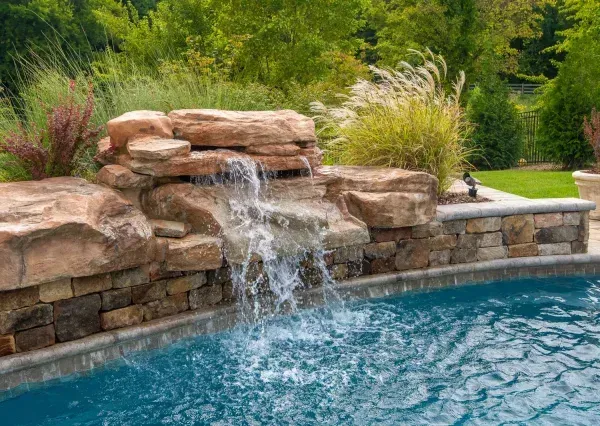
When water is in motion, it tends to catch our eyes and capture our hearts. Tranquil and inviting, we love to hear it, see it, and even touch it. You can experience this first-hand by adding a beautiful water feature to your inground backyard fiberglass swimming pool. Just as with any other elements of your backyard sanctuary, you will want to select a water feature (or two or three) that work in concert with the architectural features of your home and your swimming pool. Of course, you should also keep your budget and your personal tastes in mind, as well. Further, when contemplating adding a stunning water feature to your inground backyard fiberglass swimming pool, take into consideration not only the different types of available water features but also the size and scope of the pool. You don’t want to choose a swimming pool water feature that is too grand or too small. It should be a focal point, but it should not necessarily overtake the entire setting of your backyard pool and surrounding appointments.

kentucky-pool-and-spa-pool-image
By Daksh Ramrakhyani March 9, 2026
Frequently when people think of taking care of their mental health, they think in terms of taking time off. Unplug. Unwind. Recharge. Burn out is a big issue among people who are constantly working and/or tending to family matters, not giving themselves much time to do anything else. It’s not uncommon for people to indulge in some mindless television or just surf the internet to keep their mind from having to think at all. However, you should actually do the opposite. You should give your mind something new to focus on, and swimming could be just the solution for you when you are feeling a bit out of sorts and want to get back on track. Here are 5 ways a swimming pool can improve your mental health.
kentucky-pool-and-spa-pool-image
March 9, 2026
Summer heat can make pool water tricky. Bright sun, sunscreen, and lots of swimmers push the chemistry out of balance. Chlorine burns off faster, pH drifts, and scale or algae can pop up without warning. The fix is not fancy: test first, dose small, and keep a few key numbers steady. In this article, you’ll get simple steps that work even on the hottest days. We’ll cover pH, chlorine, stabilizer, alkalinity, hardness, shocking, algae control, and a weekly plan. You’ll also see quick rules and small habits that prevent big problems. Keep this close, act early, and your water will stay clear, safe, and easy to manage.